Major Ukrainian Restoration Project Begins on Mount Athos
By David Greybe
An exciting new restoration project has begun on Mount Athos, which will create a Ukrainian speaking monastic cell within a centuries-old, abandoned monastery. The project began after Pantokrator Monastery’s elders transferred the site of the former Falakrou Monastery to Ukrainian hieroschemamonk Paisios in December 2021 for reconstruction and residential use. The cell will remain a dependency of Pantokrator Monastery.
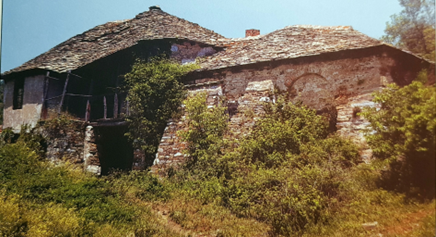
Archival records from the Monastery of Great Lavra indicate that the Monastery of Falakrou (Holy Archangels) was founded by monk Nicephorus Falakro, who signed a manuscript in 991 and served as its first abbot. In the 11th century the complex was reduced to a cell; a 1083 Xenophontos manuscript shows it became that monastery’s property. In 1392 ownership of Falakrou passed to Pantokrator Monastery, as confirmed by the monastery’s archives.
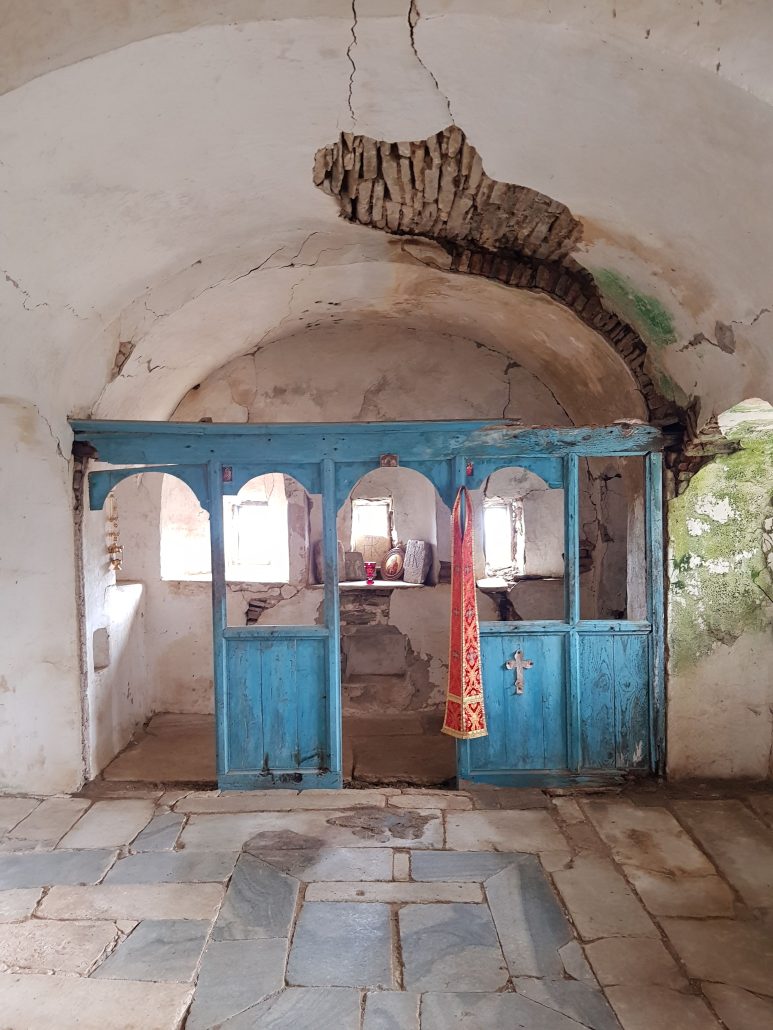
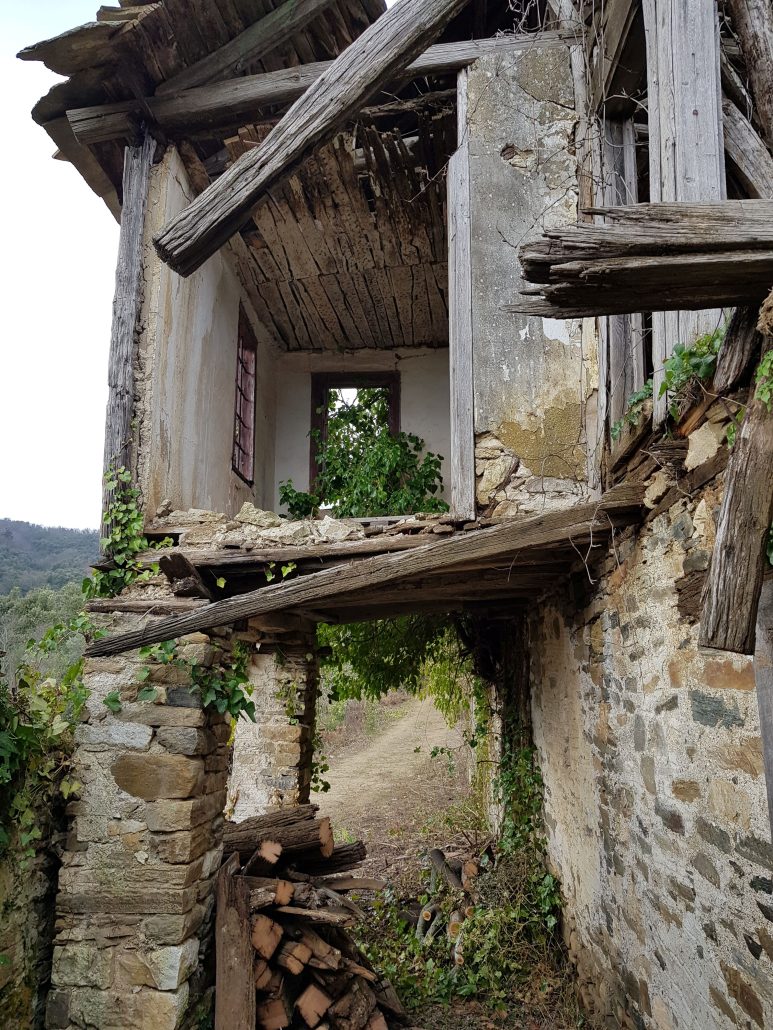
Monastery interior
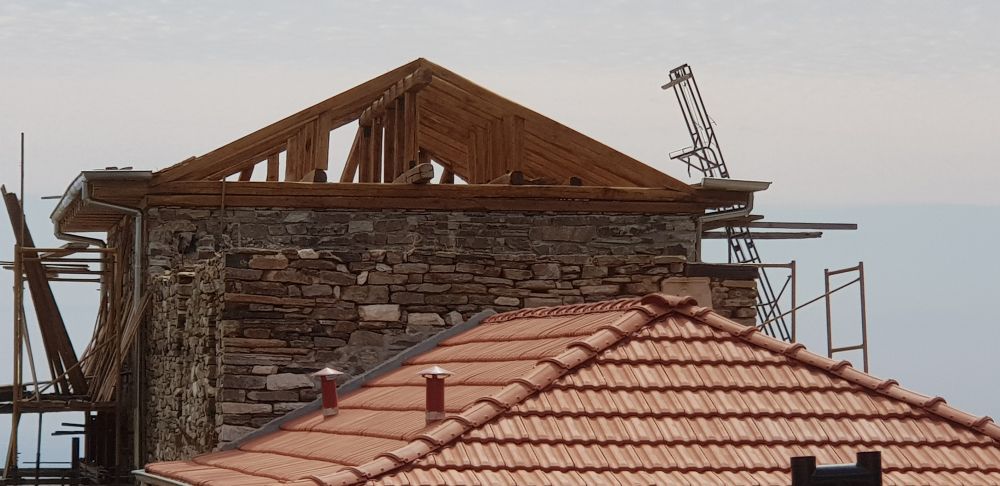
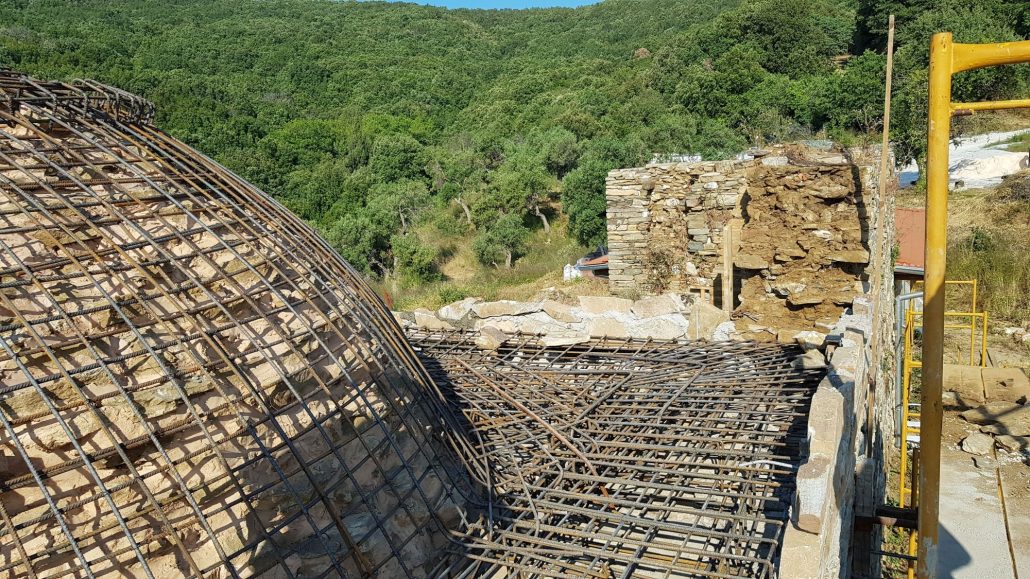
Over eleven centuries the site endured long periods of abandonment. Architect restorer Phaidon Hadjiantoniou, who is leading the current project, notes that the buildings were last occupied in the early 1980s and have remained deserted ever since. When Pantokrator adopted a cenobitic tradition in 1992, the new brotherhood began cataloguing its properties and assigning repair work to private firms under KEDAK (the Centre for the Preservation of Athonite Heritage), Greece’s principal conservation agency for Athos. Within this framework a restoration study for the Falakrou cell – completed in 2003 – was approved by KEDAK. In 2023, Hadjiantoniou assumed responsibility for implementing the study on behalf of Pantokrator.
‘We began with exploratory work, both exterior and interior, to verify the study’s validity,’ Hadjiantoniou explained. ‘During our investigations, ongoing alongside the restoration, it quickly became clear that the approved study required revision,’ he said. ‘Elements unknown to the 2003 authors have emerged, including structural components, anthropological findings, and other discoveries that could not have been anticipated’.
Hadjiantoniou observes that each successive occupant Monastery historically renovated locally without regard for earlier construction phases. Consequently, the present Falakrou building complex has become a ‘building palimpsest’. The reconstruction team aims to preserve and integrate all layers organically and aesthetically, thereby documenting the complex’s layered history in the restored structure. Research has already uncovered numerous previously unknown elements: constructional and painted features, human skeletal remains, and metal objects dating from the 10th, 14th, and early 17th centuries. These constitute crucial dating evidence that will be cleaned, studied, and evaluated. A supporting website (www.uathos.com) states: ‘The emergence of a Ukrainian speaking cell on Mount Athos is an extraordinary event. Ukrainian citizens, soldiers, and pilgrims worldwide will come to this cell for purification and renewal’.